New basement ceiling: What should I know about them?
Installing a new basement ceiling is one of the biggest decisions in a basement remodel. The ceiling impacts headroom, lighting, acoustics, utility access, and how “finished” the space feels. Choose the wrong option and the basement can feel cramped or hard to maintain—choose the right one and it becomes a true living area.
New Paragraph
Here’s what you should know before selecting a basement ceiling system.
Why the Basement Ceiling Matters More Than You Think
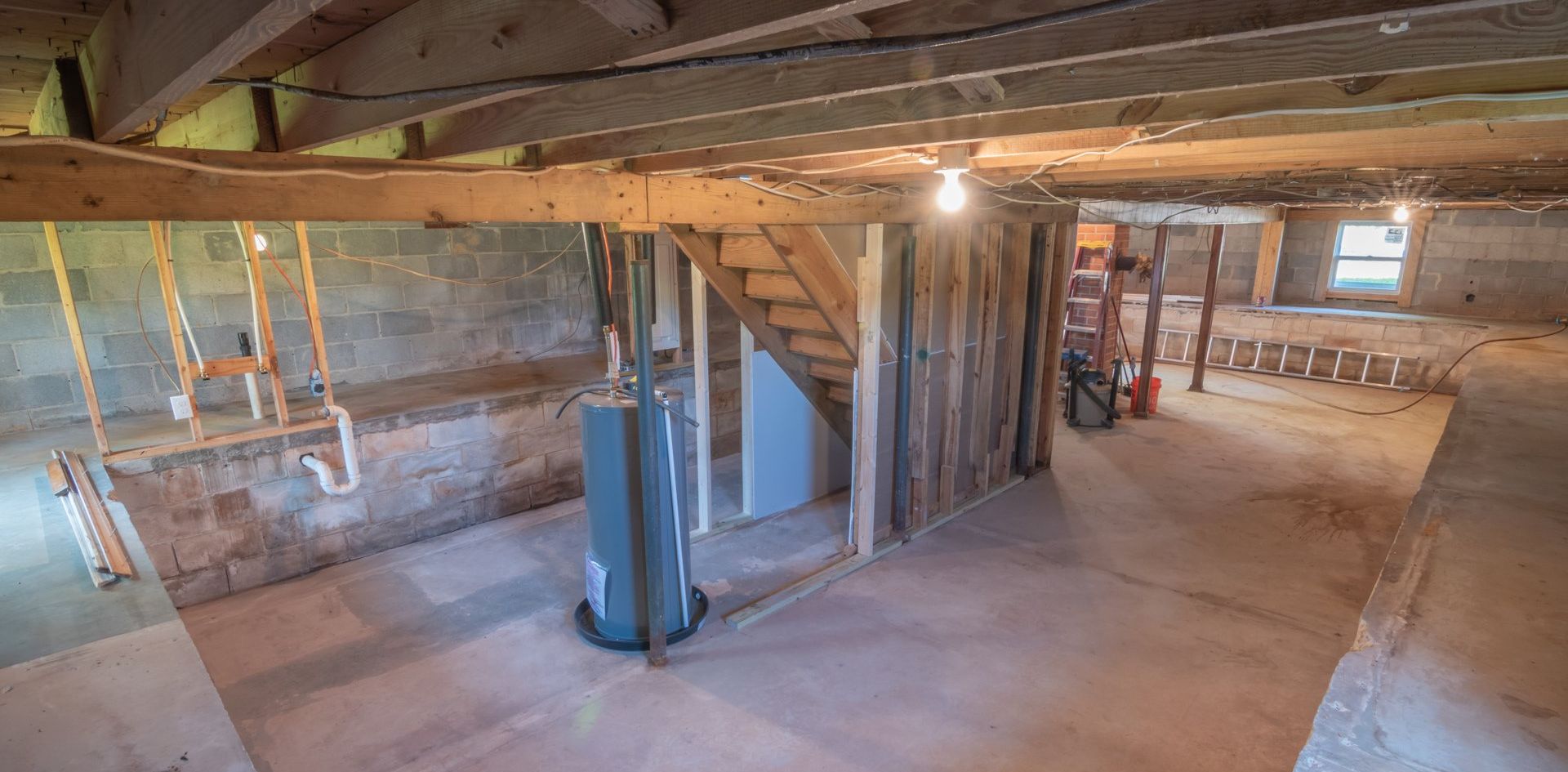
Basements are different from other parts of the house. Ductwork, plumbing, electrical wiring, and beams are usually exposed, which makes ceiling design both a functional and aesthetic decision.
A well-planned basement ceiling:
- Improves sound control between floors
- Enhances lighting distribution
- Maintains access to utilities
- Maximizes usable headroom
- Helps the space feel finished and intentional
Professional home remodeling services treat the ceiling as part of the system—not an afterthought.
Ceiling Height: The First Thing to Evaluate
Before choosing materials, measure your basement ceiling height. This will limit or expand your options.
Most building codes require minimum ceiling heights between 7 and 7.5 feet for finished basements (local codes may vary). If your basement is already tight, some ceiling systems may not be feasible without sacrificing comfort or compliance.
A remodeling contractor can help assess whether lowering the ceiling is acceptable or if alternative solutions are needed.
Common Types of Basement Ceilings
Drywall Ceiling (Finished Ceiling)
Drywall ceilings create the most polished, “main-floor” look. They offer excellent sound insulation and clean aesthetics.
Pros:
- Best visual finish
- Good sound control
- Increases perceived home value
Cons:
- Reduces headroom
- Limits access to pipes and wiring
- More expensive to modify later
Drywall ceilings work best in basements with sufficient height and well-organized utilities.
Drop Ceiling (Suspended Ceiling)
Drop ceilings use removable tiles suspended in a grid system, allowing easy access to utilities.
Pros:
- Easy access for maintenance
- Faster installation
- Flexible design options
Cons:
- Industrial look (though modern tiles have improved)
- Slightly reduces ceiling height
Many basement remodels combine drop ceilings in utility-heavy areas and drywall in living zones.
Painted Open Ceiling (Exposed Ceiling)
This approach leaves joists and systems exposed and paints everything (usually black, white, or dark gray).
Pros:
- Maximizes headroom
- Lowest cost option
- Modern, industrial aesthetic
Cons:
- Limited sound insulation
- Exposed imperfections
- Not ideal for all home styles
Painted ceilings are popular in entertainment rooms, home gyms, and modern basements.
Lighting and Acoustics Considerations
Your ceiling choice directly affects lighting and sound. Low ceilings benefit from recessed or surface-mounted LED lighting rather than hanging fixtures.
Acoustic insulation above the ceiling (especially with drywall) significantly reduces noise transfer from upper floors. If sound control is important—home theaters, offices, or guest rooms—this should be part of the plan from day one.
Cost Expectations for a New Basement Ceiling
The cost of a new basement ceiling depends on material choice, ceiling height, and basement size.
- Painted open ceiling: generally the most budget-friendly
- Drop ceiling: mid-range cost
- Drywall ceiling: highest cost due to labor and finishing
A professional evaluation helps determine which option fits both your budget and your long-term needs.
Mistakes to Avoid When Choosing a Basement Ceiling
Common mistakes include:
- Ignoring ceiling height restrictions
- Blocking access to critical plumbing or wiring
- Choosing aesthetics over functionality
- Not planning lighting early
- Skipping soundproofing where it matters
Experienced home remodeling services help avoid these issues through proper planning and coordination.
Choosing the Right Ceiling for Your Basement
The best basement ceiling balances comfort, function, access, and style. There is no one-size-fits-all solution — the right choice depends on how the space will be used and the physical constraints of your home.
Taking time to evaluate ceiling height, utilities, lighting, and acoustics ensures your basement feels finished, comfortable, and future-proof.
Planning a basement remodel and not sure which ceiling is right?
Schedule a free consultation and get expert guidance on basement ceiling options, costs, and code requirements.