What Light Fittings for the Kitchen? A Guide to Kitchen Lighting Fixtures
Why Kitchen Lighting Fixtures Matter
The kitchen isn’t one job—it’s prep, cooking, cleaning, dining, and social time in one place. Relying on a single ceiling light usually creates shadows on countertops, glare, and an uneven feel.
A good lighting plan helps:
- Improve visibility and safety
- Reduce eye strain while cooking
- Highlight finishes (cabinets, counters, backsplash)
- Make the kitchen feel larger and more inviting
1) Recessed Lighting for Kitchens
Recessed lights are the most common foundation layer for kitchen lighting.
Best for
- General ambient lighting
- Low ceilings
- Clean, modern designs
Placement tip (long-tail)
How to place recessed lights in a kitchen: align fixtures with work zones (sink, stove, prep counters), not just the center of the room. Bad placement causes shadows exactly where you prep food.
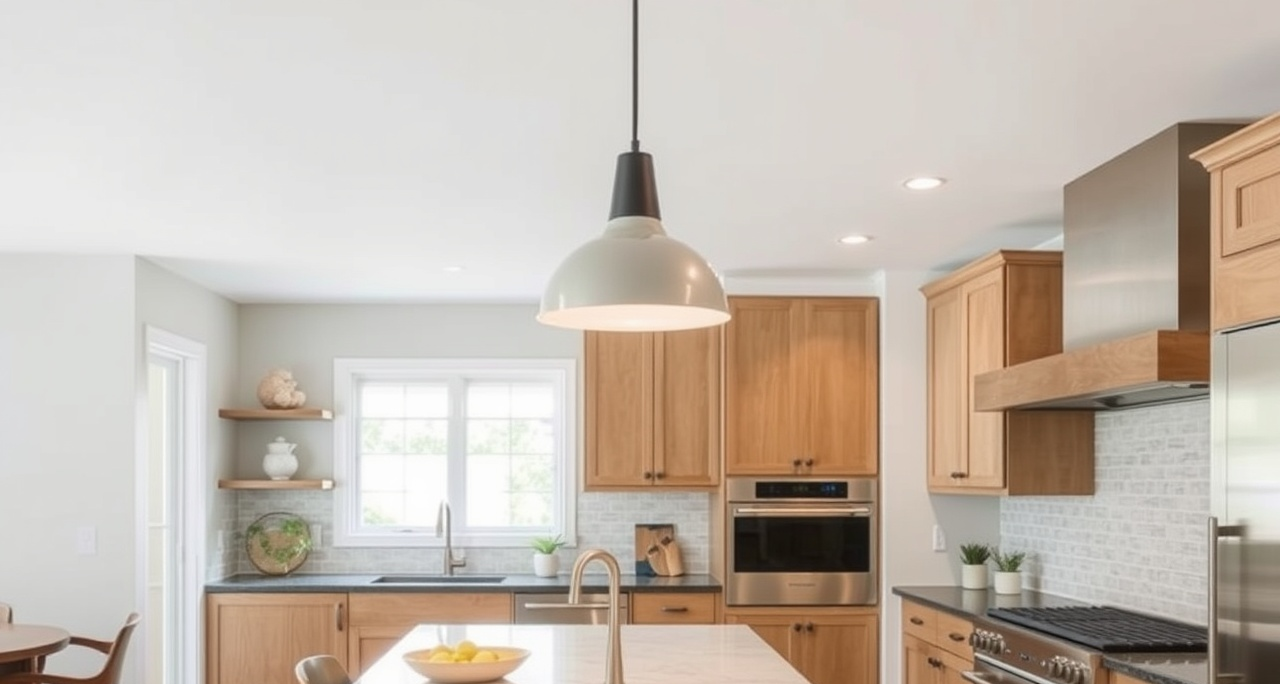
2) Pendant Lights Over a Kitchen Island
Pendant lights add style + focused lighting, especially over islands and peninsulas.
Best for
- Kitchen islands
- Breakfast bars
- Open-concept kitchens
Design tip
Choose pendants that match the kitchen scale. Spacing and height matter more than a bold shape—pendants should complement, not dominate.
Local image ALT: “pendant lights over kitchen island in Washington DC kitchen remodel”
3) Under-Cabinet Lighting (Must-Have Task Lighting)
Under-cabinet lighting is one of the highest-ROI lighting upgrades. It removes countertop shadows and makes the kitchen feel more premium at night.
Best options
- LED strip lighting
- Diffused LED light bars
Long-tail use: best under cabinet lighting for kitchen countertops
ALT idea: “under cabinet LED lighting for kitchen countertops in Washington DC”
4) Flush-Mount and Semi-Flush Ceiling Fixtures
These fixtures work well when recessed lighting isn’t possible or when you want a single fixture for a smaller zone.
Best for
- Smaller kitchens
- Limited ceiling height
- Transitional or traditional styles
5) Track Lighting for Flexible Kitchen Layouts
Track lighting isn’t always the “high-end” default, but it’s useful when you need directional control.
Best for
- Long or narrow kitchens
- Highlighting open shelving or art
- Flexible lighting direction
6) Accent Lighting for a Custom Look
Accent lighting adds depth and detail:
- Inside glass cabinets
- Above cabinets
- Toe-kick lighting
- Niche or shelf lighting
Not essential—but it’s what makes a kitchen look intentional.
Best Color Temperature for Kitchen Lighting
Most kitchens feel and function best at 3000K–3500K (warm-neutral white).
- Too cool can feel harsh
- Too warm can distort food colors
Common Kitchen Lighting Mistakes to Avoid
- Using only one fixture type
- Poor recessed light placement
- Skipping under-cabinet lighting
- Pendants hanging too low
- No dimmers or lighting controls
Build a Lighting Plan, Not Just a Fixture List
The most successful kitchens treat lighting like a system:
- Ambient: recessed / flush mounts
- Task: under-cabinet + targeted fixtures
- Accent: cabinet/shelf/architectural lighting
Ready to Upgrade Your Kitchen Lighting?
If you're planning a kitchen remodel or simply want to improve your lighting, Doug Construction provides expert guidance and installation services across Washington, DC, Maryland, and Virginia.
👉 Explore our
Kitchen Remodeling Services
👉 Or
Request a Free Consultation today
What is the best lighting layout for a kitchen?
A layered lighting layout that combines ambient, task, and accent lighting is generally best.
How many pendant lights should go above a kitchen island?
Most islands look balanced with two to three pendants, depending on island length.
Are LED lights good for kitchens?
Yes — LEDs are energy-efficient, long-lasting, and available in customizable brightness and tones.
Where should I install under-cabinet lights?
Install them toward the front underside of cabinets to avoid shadows on the countertop.